
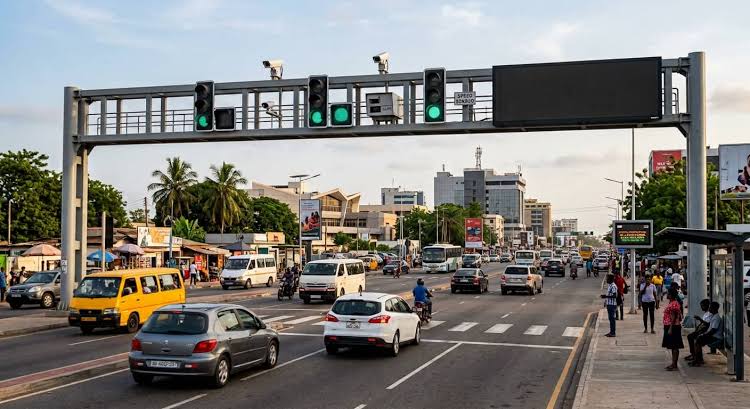
TRAFFITECH-GH rollout postponed to November 1 as the Ghana Police Service gives motorists more time to understand the automated traffic enforcement system before full implementation begins.
The programme was originally scheduled to be fully implemented from today, Thursday, 1 October 2026. However, the Police Service has rescheduled the start date to Sunday, 1 November 2026, following the need for wider public education and awareness.
TRAFFITECH-GH is an automated traffic law enforcement system being implemented through the Motor Traffic and Transport Department. It is designed to detect road traffic offences using cameras, sensors, speed detection devices and other digital tools.
The aim of the system is to improve compliance with road traffic laws, reduce indiscipline on Ghana’s roads and help bring down road crashes and casualties.
Why the rollout has been postponed
According to the Ghana Police Service, the additional month will be used to educate the public on how the system works. This includes explaining the offences that can be detected, how motorists will receive notices, how fines will be paid and how a driver can contest a notice if they believe it was wrongly issued.
The postponement is important because the system represents a major shift from the traditional method of road traffic enforcement. Instead of relying only on police officers physically stopping drivers, TRAFFITECH-GH will allow traffic offences to be detected electronically and processed through a back office system.
The Police Service says this approach will help improve enforcement and reduce direct physical confrontation between motorists and officers.
How TRAFFITECH-GH will work
Under the system, traffic offences may be captured by fixed cameras, mobile cameras, in-vehicle cameras, handheld devices, sensors and laser speed measurement tools. These devices will record offences and transmit evidence for validation.
After an offence is reviewed and confirmed, an Electronic Notice of Violation will be sent to the registered owner of the vehicle or, in some cases, directly to the driver.
The official SMS notice is expected to come from the sender ID GPS-MTTD. It will include key details such as the ticket number, vehicle registration number, date and time of the offence, location, description of the offence, amount to be paid and payment deadline.
This means motorists must pay close attention to official notices and also be careful of possible fake messages from fraudsters.
Offences the system can detect
TRAFFITECH-GH is expected to cover a wide range of traffic offences. These include speeding, running red lights, wrongful overtaking, driving without a valid licence, driving with an expired roadworthiness certificate, using an uninsured vehicle, failure to wear a seatbelt and misuse of sirens.
The Interior Ministry previously indicated that the system could cover more than 47 traffic offences. This means the system is not only about speed cameras. It is a broader road safety enforcement framework intended to improve driver behaviour.
How fines will be paid or contested
Motorists who receive an Electronic Notice of Violation will have 14 days to either pay the fine or contest the notice. Payment can be made through the Ghana.gov platform using mobile money services, debit cards or credit cards.
Drivers can also dial the approved short code and follow the instructions for payment.
A motorist who wants to contest a notice must start the process online. The driver will then select a preferred MTTD regional police station and a date for the hearing. Confirmation will be sent by SMS.
The Police Service has warned that motorists who fail to pay or contest within the required period may face an additional penalty. This is why drivers are being advised to read any notice carefully and act within the allowed time.
Training already carried out
Ahead of the original October rollout, the Motor Traffic and Transport Department trained personnel and key public sector stakeholders across the country. In the Volta Region, 45 police personnel and representatives from institutions such as the Judicial Service, National Road Safety Authority, National Insurance Commission and Driver and Vehicle Licensing Authority took part in training.
Participants were taken through the Road Traffic Regulations, 2026 and the Road Traffic Amendment Act, 2025, with emphasis on automated traffic offences and fines.
The training also covered how to operate the TRAFFITECH-GH system and how motorists can contest automated traffic offences.
What motorists should do now
Although the full rollout has been moved to 1 November, motorists should not wait until then to adjust their behaviour. Drivers are advised to obey speed limits, respect traffic lights, renew licences and roadworthiness certificates, use seatbelts and avoid illegal sirens.
Vehicle owners should also ensure their registration details are correct and active, especially phone numbers linked to their vehicles. Since notices will be sent electronically, wrong or outdated contact details could create problems.
Drivers should also familiarise themselves with the Ghana.gov payment process and learn how to verify official TRAFFITECH-GH messages.
Why the programme matters
Ghana continues to face serious road safety challenges, with crashes often linked to speeding, wrongful overtaking, reckless driving and disregard for traffic regulations. An automated system can help improve enforcement by reducing the need for officers to be physically present at every location.
If implemented fairly and transparently, TRAFFITECH-GH could help promote discipline on the roads and reduce opportunities for interference in traffic enforcement.
However, public education will be key. Motorists must understand the system, know their rights and know how to respond when they receive a notice.
For now, the key fact is clear: TRAFFITECH-GH is not starting today as earlier announced. Full implementation has been rescheduled to 1 November 2026 to allow more public awareness before enforcement begins.
About the Author