
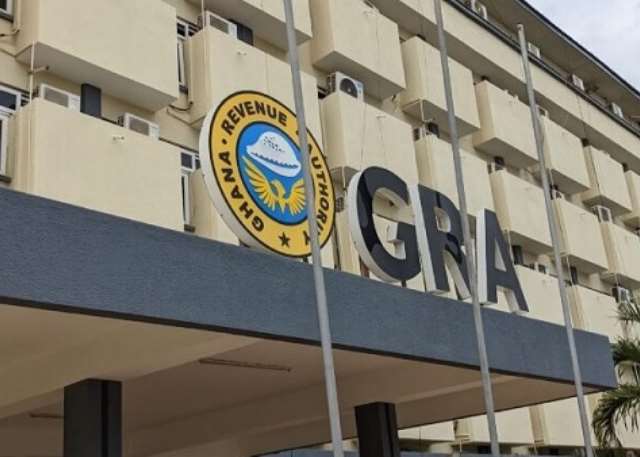
GRA clarifies new digital VAT system will not introduce an additional 20% tax on subscriptions to international digital services, including streaming platforms, cloud services and other online products used by Ghanaians.
The Ghana Revenue Authority (GRA) issued the clarification on Wednesday, 14 October 2026, following concerns that a new digital tax collection arrangement could make online subscriptions significantly more expensive.
According to the Authority, the system is intended to improve how existing taxes are collected from foreign companies providing digital services to customers in Ghana. It does not create a new tax or increase the applicable rate.
The clarification comes as more Ghanaians depend on international digital platforms for entertainment, education, business operations, advertising and professional services.
GRA explains the existing 20% tax
The Authority explained that the effective tax rate on qualifying digital services remains 20%.
This consists of 15% Value Added Tax (VAT), a 2.5% National Health Insurance Levy (NHIL) and a 2.5% Ghana Education Trust Fund (GETFund) Levy.
GRA Communication Lead for the Real Time VAT Project, Eugene Ansu Kyeremeh, explained during a media engagement that suggestions of an additional tax were misleading.
The Authority maintained that the relevant taxes already exist under Ghana’s laws and that the new collection arrangement is meant to improve compliance rather than increase the tax burden through a new levy.
For consumers, this distinction is important because a new collection system does not necessarily mean that every subscription will become more expensive.
Will Netflix, Google and other subscriptions become more expensive?
The GRA says customers whose subscription payments already include the required taxes should not face another charge on the same transaction.
However, some customers may notice changes in their bills if they subscribe to foreign digital service providers that have not previously collected the applicable taxes.
As those companies are brought into compliance, the statutory taxes may begin appearing in customer payments.
This means the impact could differ depending on the provider and how it currently handles taxes for Ghanaian customers.
For example, a customer whose subscription already includes the applicable taxes should not pay the same taxes again under the new arrangement.
On the other hand, where a provider has not been applying the required taxes, a customer may begin seeing those charges when the provider becomes compliant.
The GRA’s position is therefore that the system is not introducing a new tax, even though some consumers could experience a change in the final amount they pay.
About 100 foreign digital service providers identified
The Authority disclosed that approximately 92 foreign digital service providers are already registered and remitting VAT to Ghana.
However, it has identified about 100 additional non-resident providers that are not currently collecting and remitting the applicable taxes.
These companies are expected to be brought into compliance progressively.
The development highlights the difficulty tax authorities face in collecting revenue from businesses that operate internationally without necessarily maintaining a physical presence in Ghana.
Unlike traditional businesses, digital service providers can sell subscriptions and other services directly to customers in several countries through websites and mobile applications.
This makes it important for tax authorities to establish reliable systems for identifying taxable transactions and ensuring that the appropriate revenue reaches the state.
How the new digital VAT collection system will work
Under the new arrangement, participating banks and payment service providers will help identify and collect the applicable tax component when customers make qualifying payments.
The system will cover eligible digital transactions made using Ghana-issued bank cards, mobile money and other supported electronic payment methods.
According to the GRA, the approach will improve transparency by making it easier to account for taxes on digital services purchased from foreign companies.
Currently, collection relies significantly on non-resident service providers registering, declaring transactions and remitting the required taxes.
The new payment-based approach is intended to strengthen that process and reduce gaps in compliance.
However, the Authority has stressed the importance of working with financial institutions and digital service providers to prevent customers from being taxed twice.
Digital services covered by the arrangement
The system applies to qualifying electronically supplied services purchased by consumers in Ghana.
These include streaming subscriptions, cloud computing services, online gaming and digital advertising.
The coverage is relevant to individuals who subscribe to entertainment platforms as well as businesses that depend on international software and online services.
For instance, many Ghanaian businesses use foreign digital platforms to advertise products, store information, communicate with customers and manage daily operations.
The cost of such services can affect operating expenses, particularly for smaller businesses that depend heavily on online tools.
It is therefore important for businesses to understand whether their existing subscription prices already include Ghana’s applicable taxes.
The GRA also clarified that the arrangement does not apply to imported physical goods purchased through international e-commerce platforms.
Such goods remain subject to the relevant Customs procedures.
GRA promises measures to prevent double taxation
One of the major concerns surrounding the new system is the possibility of customers being charged taxes that have already been included in their subscription payments.
The GRA says it will continue working with banks, payment service providers and international digital companies to address this risk.
The Authority has also promised clearer communication about how charges are applied.
Consumers who notice unexpected tax deductions or charges that appear inconsistent with the announced arrangement have been encouraged to seek clarification through the GRA’s official communication channels.
This is particularly important as the collection system involves different service providers, payment platforms and financial institutions.
Clear information on payment receipts and subscription invoices will help customers determine whether taxes have already been included.
What the new arrangement means for Ghanaian businesses
The development is also significant for Ghanaian technology companies, digital marketers, content creators and other businesses that pay for international online services.
Many depend on subscriptions for software, cloud storage, digital advertising and other tools needed to operate.
For these businesses, understanding the full cost of digital services is important when preparing budgets and setting prices for customers.
Where applicable taxes were not previously collected, compliance under the new system could increase the amounts paid for certain services.
However, businesses already paying the required taxes should not be subjected to an additional charge on the same transaction.
The GRA says the wider objective is to ensure fairer treatment between businesses operating locally and foreign companies supplying similar services to customers in Ghana.
What consumers should know before making payments
As the new digital VAT collection arrangement takes effect, consumers should pay attention to the tax details shown on their subscription invoices and payment records.
Customers may also need to distinguish between changes introduced by a digital service provider and statutory taxes collected under Ghana’s existing laws.
Where the applicable taxes are already included, another charge for the same transaction would be inconsistent with the GRA’s clarification.
For now, the Authority’s message is that the digital VAT system is intended to improve tax collection and accountability without introducing an additional 20% levy.
The real test will be how effectively the arrangement prevents duplicate charges while bringing previously non-compliant providers into the tax system.
About the Author