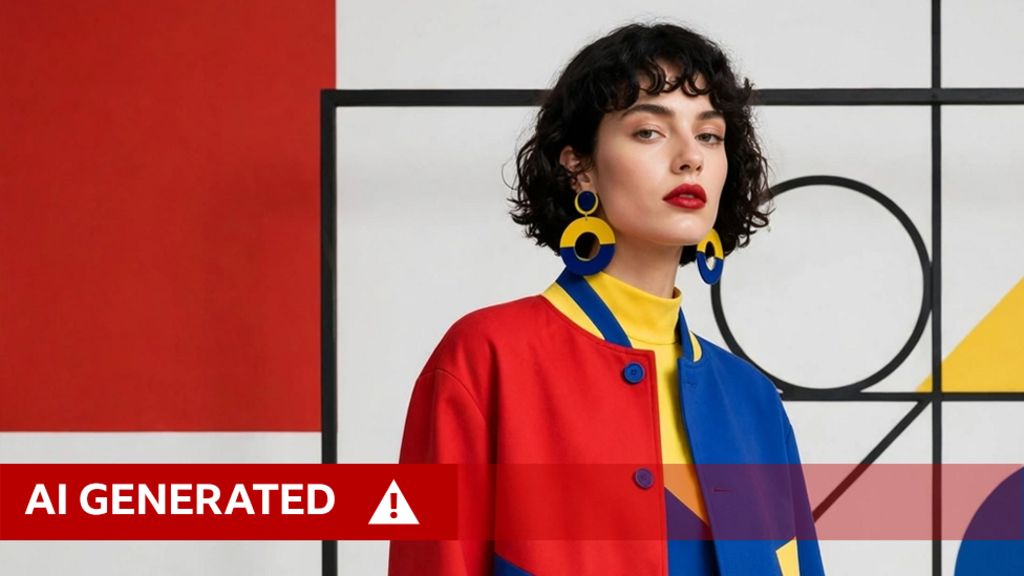
Meta pulls new AI image feature after days of backlash as privacy concerns forced the company to remove a controversial Instagram tool that allowed people to create AI-generated images using content from public accounts.
The feature was part of Meta’s wider rollout of Muse Image, an artificial intelligence image generation tool released through the Meta AI chatbot. It allowed users to tag public Instagram accounts and generate edited or fake images based on content from those accounts. Within days of launch, the tool triggered strong criticism from users, privacy advocates, artists and entertainment industry groups.
Meta later admitted the feature had “missed the mark” and confirmed that it was no longer available. The decision came after concerns that Instagram users with public accounts had effectively been opted in by default, meaning their photos, likenesses and other public content could be referenced by AI tools without direct approval.
Why the feature caused anger
The main concern was consent. Many Instagram users post publicly because they want to share their work, photos or personal updates with followers. That does not necessarily mean they agree for those images to be used as raw material for AI-generated content.
Under the feature, a person using Meta AI could reportedly tag a public account and create altered images inspired by that account’s content. Critics said this opened the door to non-consensual image manipulation, deepfakes, fake endorsements, harassment and reputational harm.
The backlash was especially strong because the setting was not introduced as a clear opt-in. Public account holders had to find the relevant control and turn it off if they did not want their content used in that way. For many critics, that approach placed the burden on users rather than on the company.
Meta says the aim was creativity, but admits mistake
Meta said the intention behind the tool was to give people a creative way to use AI and to provide controls for how public content could be referenced. However, after days of criticism, the company accepted that the feature had not landed well with users.
The company said it had heard the feedback and decided to remove the tool. Meta did not provide a lengthy follow-up explanation, but its decision suggests it recognised the sensitivity around using people’s images and likenesses for generative AI features.
Muse Image remains part of Meta’s broader AI push, but the specific Instagram feature that allowed public accounts to be tagged and used for AI image generation has been pulled.
Hollywood union calls Meta’s reversal a win
The Screen Actors Guild-American Federation of Television and Radio Artists, known as SAG-AFTRA, welcomed Meta’s decision. The union had earlier warned members and Instagram users to protect their likenesses, arguing that the feature created clear risks around digital replicas and unauthorised use of personal identity.
For actors, musicians and public figures, likeness is not only a personal matter. It is also part of their professional value. A tool that makes it easy to create realistic or altered AI images from public social media content raises concerns about false endorsements, impersonation and commercial misuse.
SAG-AFTRA described Meta’s reversal as a win because it shifted the conversation back to consent. The union has long argued that people should control how their image, voice and identity are used by AI systems.
Privacy groups warn against treating personal data as raw material
Privacy International also criticised the feature, saying it was another example of AI companies treating people’s images and data as material to be mined for product development. The concern is wider than one Instagram tool. Across the tech sector, generative AI systems are increasingly raising questions about whether companies have proper permission to use personal data, copyrighted material or user-generated content.
This case shows how quickly public opinion can turn when people feel their images are being used without clear consent. Even though public Instagram content is already visible online, many users see a difference between viewing a post and using that post to generate a new AI image.
The bigger AI consent debate
Meta’s decision comes at a time when governments, regulators and industry groups are still trying to define rules for AI-generated media. One of the most difficult questions is how to handle public content. Tech companies often argue that public data helps improve AI tools and create useful products. Critics respond that public access does not automatically mean permission for AI reuse.
The issue becomes even more serious when tools involve human faces, bodies or identifiable personal content. A generated image can be funny or creative in one context, but harmful in another. It can be used for bullying, fake news, scams, sexualised images, or political manipulation.
That is why many advocates want opt-in systems as the default. Under that model, people would only have their content used for this type of AI generation if they actively agreed. Meta’s removed feature appeared to work closer to an opt-out model, which was one of the main reasons it was criticised.
What this means for Instagram users
For now, the specific feature that allowed users to tag public Instagram accounts for AI-generated images is no longer available. However, the controversy is a reminder for users to regularly check privacy and AI-related settings on social media platforms.
People who rely on public Instagram accounts for business, creativity or public engagement may not want to go private, but they still need clear controls over how their work and likeness are used. The backlash around Muse Image shows that users increasingly expect platforms to ask for permission before introducing features that affect identity and personal content.
Meta’s AI plans are not slowing down
Although this feature has been withdrawn, Meta’s broader AI plans remain active. The company has signalled that it wants to integrate more AI tools across Instagram, Facebook, WhatsApp and Messenger. It is also working on AI video tools and other creative features.
The lesson from this episode is clear. New AI tools may be exciting, but they must be built with consent, safety and transparency at the centre. If users feel surprised or exposed by a product, backlash can come quickly.
Meta may have pulled this feature, but the wider debate is not going away. As AI-generated images and videos become easier to create, platforms will face growing pressure to protect users from unwanted digital replication and misuse.
About the Author