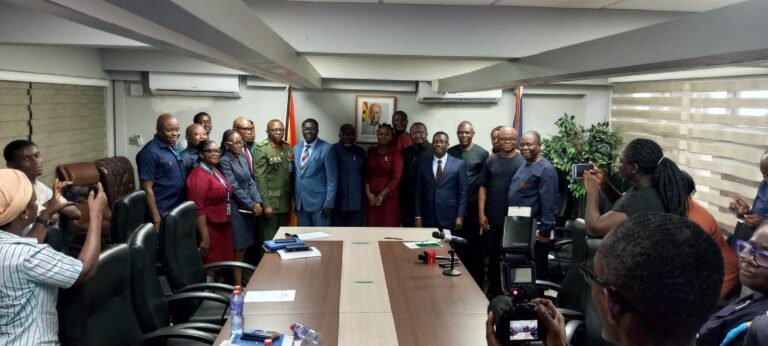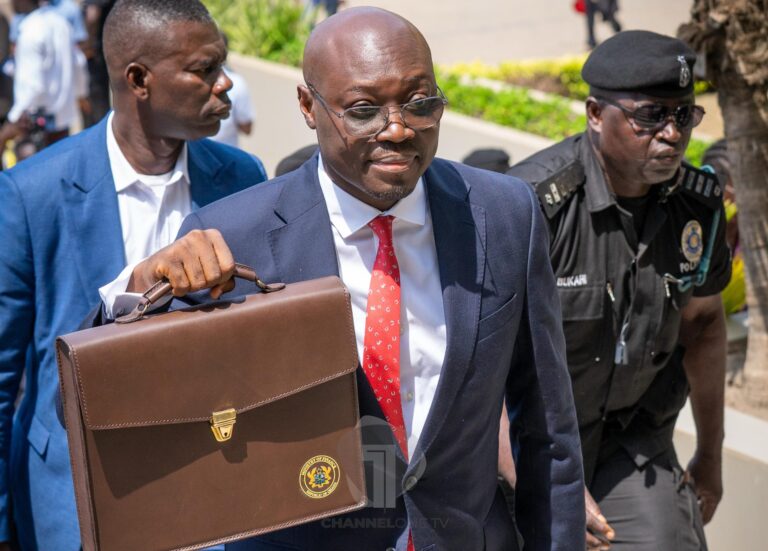
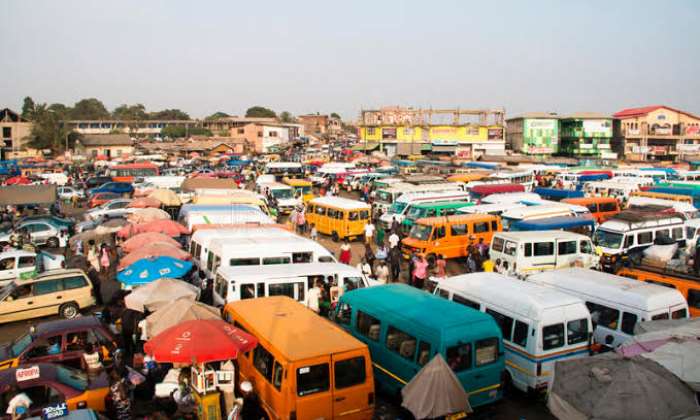
Transport fares to increase by 8% from September 26 following an agreement between the Ghana Private Road Transport Union and the Ministry of Transport after weeks of negotiations over rising operational costs.
The new fares are expected to take effect from Saturday, 26 September 2026. The adjustment affects private commercial road transport services and comes at a time when many transport operators say the cost of running their vehicles has continued to rise.
According to reports, the Ghana Private Road Transport Union initially pushed for a much higher adjustment. The union had reportedly proposed a 30% increase, arguing that fuel, spare parts, maintenance, insurance and other operating costs had placed heavy pressure on drivers and vehicle owners.
After discussions with the Ministry of Transport, however, the union agreed to an 8% increase. The Deputy Industrial and Public Relations Officer of the GPRTU, Samuel Amoah, said the decision followed government assurances that efforts were being made to secure further reductions in fuel prices.
Why transport operators wanted an increase
Transport operators have consistently argued that fares must reflect the cost of doing business. For many commercial drivers, fuel is only one part of the cost. Vehicle maintenance, engine oil, tyres, spare parts, road toll-related charges, station levies and insurance also affect daily income.
When these costs rise and fares remain unchanged, drivers often complain that their net earnings fall sharply. This can create tension between transport operators and passengers, especially in an economy where households are also under pressure from the general cost of living.
The 8% increase appears to be a compromise. It gives transport operators some relief while avoiding the larger increase they had requested.
What this means for passengers
For passengers, the fare adjustment means daily commuting costs will go up from Saturday, 26 September. Workers, students, traders and other regular commuters are likely to feel the impact most, especially those who take multiple vehicles each day.
An 8% increase may look small on paper, but for people who travel daily, the total cost over a week or month can be significant. For example, a person who spends GHS 20 daily on transport may now spend about GHS 21.60. Over a working month, that extra amount can add up.
This is why fare adjustments often generate public concern. Transport is not a luxury for most Ghanaians. It is part of everyday life and directly affects the cost of going to work, school, market and hospital.
Government’s position and fuel price concerns
The reported agreement suggests that government is trying to balance the interests of both operators and the public. Transport unions wanted a higher increase, but government appears to have pushed for a more moderate adjustment.
Fuel prices remain central to this conversation. When fuel prices rise, drivers quickly call for fare increases. When fuel prices fall, passengers also expect fares to come down. The challenge is that transport fares are affected by many other costs beyond fuel, which makes fare reviews more complicated.
Samuel Amoah’s comments suggest that the union accepted the 8% increase because government indicated that additional fuel price reductions were being pursued. If fuel prices fall further, the pressure for another increase may reduce. If they rise again, transport unions could return to the negotiating table.
Public reaction expected
Fare increases usually attract mixed reactions. Transport operators may welcome the adjustment as overdue, while passengers may see it as another burden. Market traders may also factor the increase into the cost of goods, especially where transport is a major part of supply chain expenses.
The real test will come when drivers begin applying the new fares. In past fare reviews, confusion has sometimes occurred at lorry stations when passengers and drivers are not clear on the approved rates. To avoid disputes, transport unions and station authorities will need to clearly display updated fare charts.
Why clear communication matters
A major concern after every transport fare adjustment is enforcement. If the approved increase is 8%, drivers are not expected to charge beyond that. Passengers will need to know the official rates for their routes to avoid overcharging.
Transport unions should also ensure that their members follow the approved fares. Without proper supervision, some drivers may round up fares in ways that exceed the agreed adjustment.
The Ministry of Transport and union leaders must therefore make the new fare list easily available at bus terminals, taxi ranks and online platforms.
The bigger picture
This latest adjustment reflects the continuing pressure on Ghana’s transport sector. Commercial transport remains one of the most important services in the country, especially for people who do not own private vehicles.
When transport costs rise, the effect spreads quickly. Workers spend more getting to work. Traders spend more moving goods. Students and parents also carry additional costs. This makes fare changes sensitive and important to the wider economy.
For now, the agreement between the GPRTU and the Ministry of Transport has settled the immediate dispute. Passengers should expect the new fares from 26 September, while transport operators will be watching fuel prices and operating costs closely in the weeks ahead.
About the Author