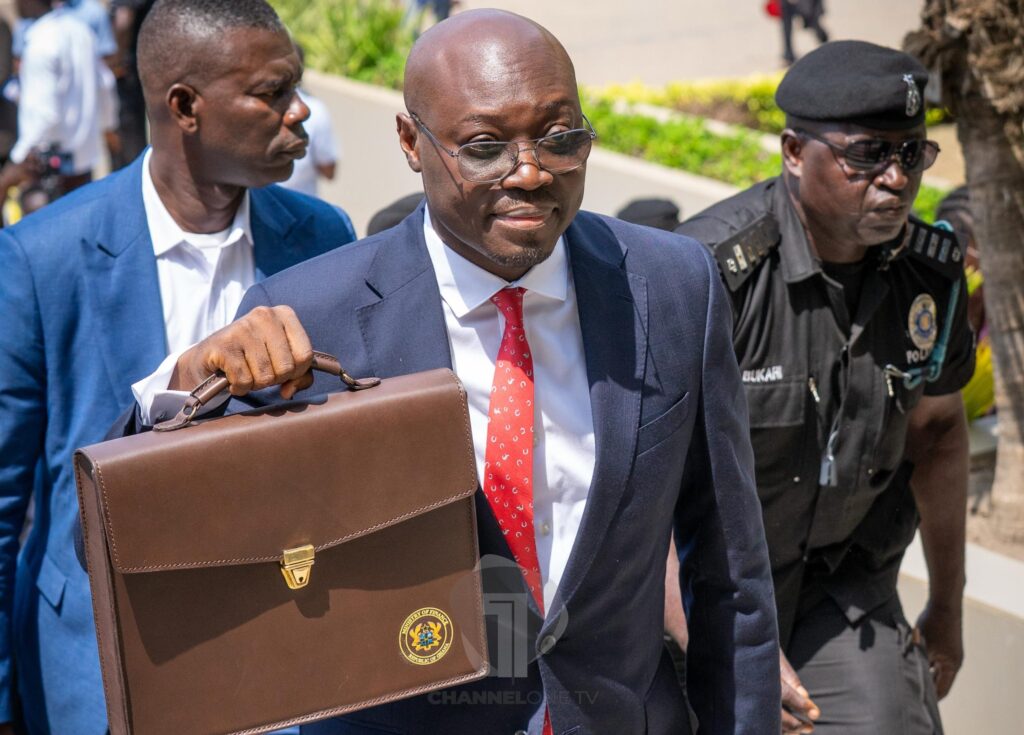
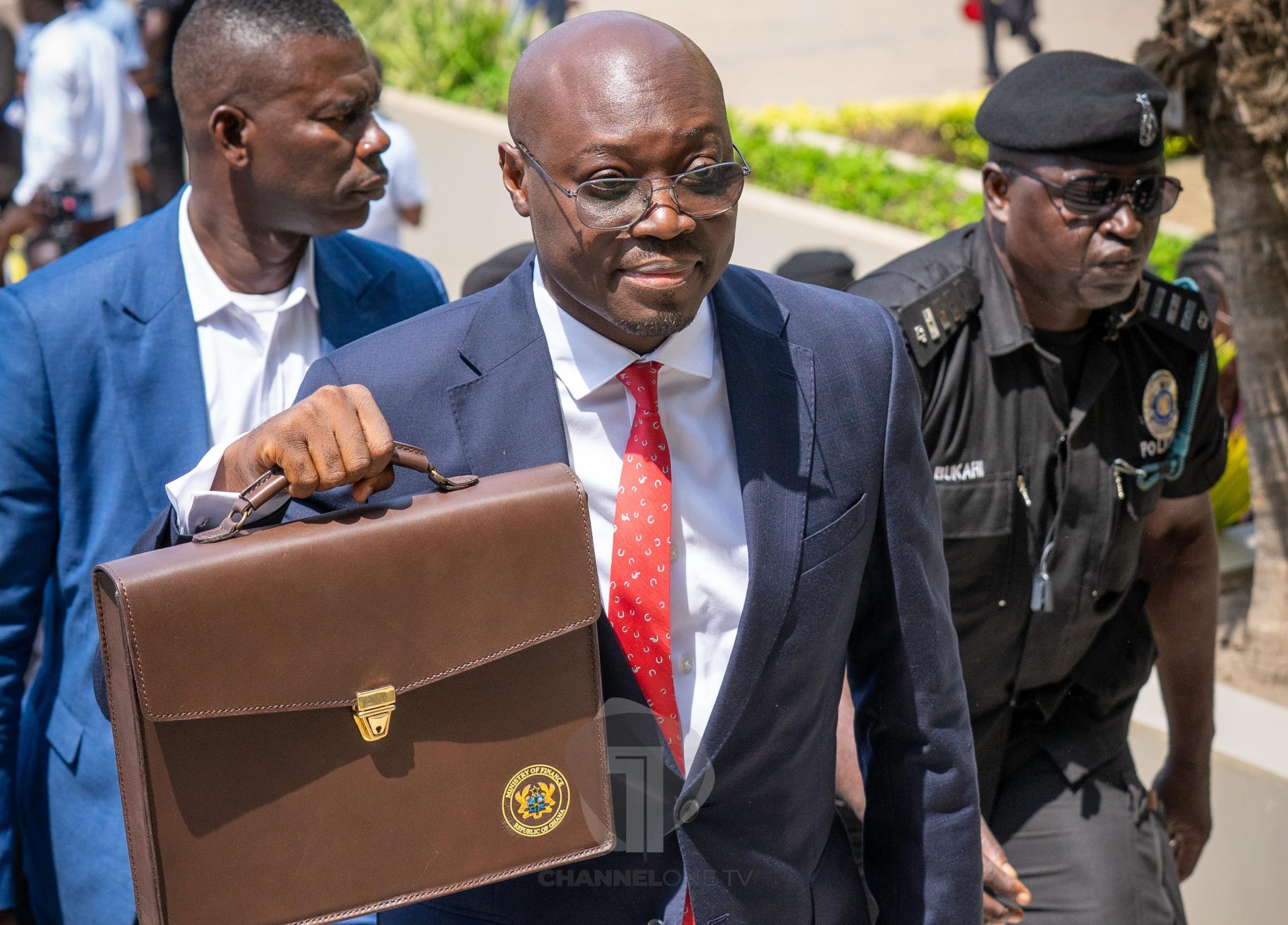
Finance Minister confirms start of public sector recruitments even as Ghana’s wage bill continues to raise concerns about fiscal pressure. Finance Minister Dr Cassiel Ato Forson says government has begun the process of bringing new staff into the public service, but insists it will be done within budget limits and in line with commitments made to Organised Labour.
He made the announcement during a dialogue with President John Dramani Mahama and labour leaders on 17 March 2026. According to Dr Forson, the recruitment move is tied to an earlier understanding reached with unions during negotiations on 2026 base pay. He explained that government had committed to engage labour, address staffing gaps in critical areas, and do so without blowing the budget.
The timing, however, has drawn attention because the Finance Minister also disclosed how tight the wage situation became in 2025. He said government had to borrow about GHS 17 billion to meet salary obligations that year. That disclosure has renewed debate about whether the state can responsibly add more workers at a time when compensation already takes a large slice of tax revenue.
Why the wage bill is a big issue
One of the key figures cited by the Finance Minister is the compensation to tax revenue ratio, which he put at 44 per cent. In plain terms, this compares how much government spends on public sector wages to how much it collects in taxes. A higher ratio means wages are consuming a bigger share of revenue, leaving less for essentials like infrastructure, goods and services, and social programmes.
Dr Forson noted that 44 per cent is above the ECOWAS reference threshold of 35 per cent. When a country stays above that mark for long, it can struggle to fund other priorities without either borrowing more, cutting spending elsewhere, or raising additional revenue.
He also stated that the 2025 compensation bill reached GHS 78.9 billion. More importantly, he said that figure exceeded the non-oil tax revenue left after statutory payments and debt servicing by about GHS 17 billion, a shortfall that then had to be covered through borrowing. The point being made is that after money is set aside for legally mandated funds and debt commitments, the remaining tax revenue was not enough to fully pay salaries.
Recruitment, but with limits
Despite these pressures, Dr Forson says the recruitment process has begun. The key phrase he stressed is “within budget constraints”. That suggests government is trying to avoid a free for all hiring cycle and instead focus on controlled recruitment linked to specific needs and available fiscal room.
What has not yet been made clear publicly is the scale of the recruitment, the agencies involved, and the timeline for when new workers will be posted. In recent years, public sector recruitment has often been dominated by sectors like health, education, and security services, but Dr Forson’s comments, as reported, did not list numbers or specific categories.
Still, the commitment signals that government is under pressure to fill vacancies and reduce workload pressure in some state institutions, especially where staffing shortages affect service delivery.
How Organised Labour fits into this
The recruitment plan is linked to government’s engagement with Organised Labour, particularly the agreement reached on 9 November 2025 on 2026 base pay under the Single Spine Salary Structure. Wage negotiations often involve more than pay levels. They can include broader workplace concerns such as staff strength, conditions of service, and outstanding obligations across ministries and agencies.
By tying recruitment to that agreement, government appears to be positioning the move as part of a wider labour relationship, rather than a sudden policy shift. It is also a signal that government wants labour calm while it manages a difficult balance between staffing needs and fiscal control.
The dilemma government is trying to manage
This is the central tension. On one hand, people want jobs, and many state agencies say they need more hands to function well. On the other hand, the wage bill is already heavy and can crowd out other spending.
When wages take a larger share of revenue, governments can end up delaying payments to suppliers, reducing maintenance budgets, slowing down projects, or borrowing more to keep operations running. Borrowing to pay salaries is particularly sensitive because it can increase debt without creating new productive assets.
So the recruitment announcement will likely raise questions such as:
- Will the recruitment be limited to essential areas only
- Will there be a cap on numbers per agency
- Will hiring be phased to match cash flow
- How will government prevent payroll leakages and duplication
- Will new hires come with additional allowances that raise the compensation bill further
Until government provides a clearer breakdown, these questions will remain part of the public conversation.
What to watch next
The next few weeks will likely bring more detail from the Finance Ministry, the Fair Wages and Salaries Commission, and the agencies involved. If recruitment is truly “within budget constraints”, the process may come with controls such as approval ceilings, stricter payroll validation, and recruitment schedules spread over time.
It is also expected that Organised Labour will monitor how government fulfils the commitment, especially if unions believe staffing gaps are affecting working conditions and service quality. At the same time, budget watchers will focus on whether recruitment plans align with the wider fiscal picture and whether government can keep the wage bill from rising faster than revenue.
For now, Dr Forson’s message is that recruitment is starting, but it will not be reckless. The success of that promise will depend on the details government releases and how well the state manages the wage bill alongside broader economic demands.