Auditor-General report on fictitious debts will be made public in due course, Minister of Government Communications Felix Kwakye Ofosu has said, as pressure mounts for Ghanaians to see the full findings behind claims of rejected arrears and suspected fake liabilities in the public accounts.
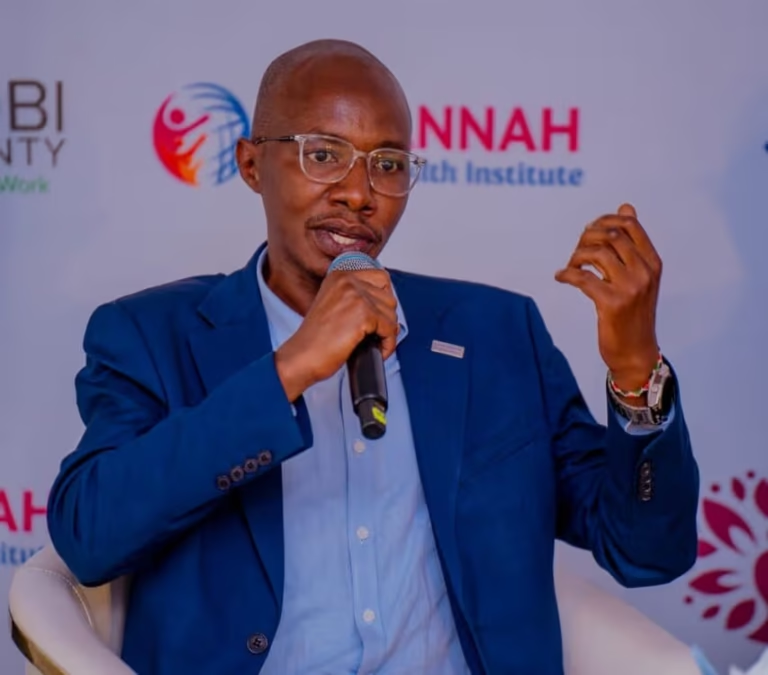
Kwakye Ofosu made the comment on TV3’s Key Points on Saturday, 14 March 2026, after former Asante Akyem North MP Kwame Andy Appiah-Kubi called for the audit document to be released. The Minister’s response was that the report is already within Parliament’s processes and that publication will follow.
According to him, it is inaccurate to suggest lawmakers are completely in the dark about the report. He said the document has been laid before Parliament and referred to the House, adding that the Minority Leader and Majority Leader have access to it. His position is that the Auditor-General will publish the report at the appropriate time, and that this will settle speculation and competing interpretations.
What the debate is about
The controversy centres on claims that an audit of government arrears uncovered large sums presented for payment that could not be properly supported, were duplicated, or were outright fictitious. These are not small numbers. The discussion has also become political, with accusations and counter-accusations about whether the matter is being handled as a clean governance issue or as a tool to score points.
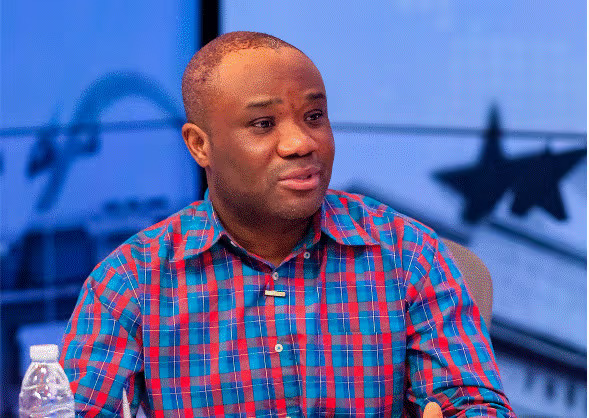
During the TV3 discussion, NPP communications team member Kofi Tonto argued that the Finance Minister and his deputy have politicised the Auditor-General’s work. He claimed the Finance Ministry presented commentary about the report, rather than putting the entire document in the public domain immediately. In his view, that approach allows selective framing and risks painting the previous administration as corrupt without full context.
Tonto also insisted that if the claims in the report are true, they should be condemned by all sides. He said he supports “sunlight” on wrongdoing, but wants the full report shared so the public can judge the findings properly. He criticised what he described as premature conclusions and questioned how the public can debate a document many have not seen.
Calls to name, shame, and prosecute
Private legal practitioner Martin Kpebu took a harder line. He argued that where evidence points to wrongdoing, those responsible should be exposed and, where possible, prosecuted. His view is that accountability cannot stop at general statements about “system failures”, and that both political heads and the technocrats who process claims should face scrutiny.
Appiah-Kubi, for his part, pushed a slightly different angle. He said the system itself has loopholes that can be exploited and needs urgent reform. He also argued that what has been described is not just “corruption” as a broad label, but may amount to theft in plain terms. His point was that Ghana should focus on identifying specific offences, applying the law, and removing partisan heat from the matter so investigations can go where the facts lead.
What Parliament was told about the audit findings
The debate is linked to a statement delivered in Parliament by Deputy Finance Minister Thomas Nyarko Ampem on behalf of Finance Minister Dr Cassiel Ato Forson. The statement outlined a review of arrears and payables as at end 2024. It said a large pool of invoices and Bank Transfer Advices were submitted for validation, and that auditors classified them into three buckets: validated claims, rejected claims, and claims requiring further justification before payment.
Figures cited in the parliamentary briefing indicate that out of GH¢68.7 billion reviewed, GH¢45.4 billion was validated for payment, GH¢8.1 billion was rejected, and GH¢13.3 billion remained unvalidated pending additional checks. The rejected portion was attributed to issues such as overstatements, duplication, already paid items, and documentation that could not stand up to verification.
The statement also indicated the Ghana Audit Service carried out the work with support from external firms, including EY and PwC, adding weight to the verification process.
Examples that triggered public alarm
What has fuelled attention is the nature of some examples cited during the briefing.
One relates to the One District, One Factory programme. Auditors cited a request for GH¢89.4 million to be transferred to five commercial banks as interest subsidy support, but said those banks, when contacted, denied being owed any money under the arrangement. The claim was therefore labelled fictitious.
Auditors also flagged a separate GH¢10.5 million transaction said to have been paid into a “Buffer Account” at a commercial bank. The account number, according to the audit narrative presented, did not exist within the bank’s records and did not match the bank’s numbering format.
Another set of findings focused on agricultural relief and logistics during a 2024 dry spell. The parliamentary statement said government paid for 34,000 metric tonnes of rice, but only 24,000 metric tonnes were received and distributed, leaving 10,000 metric tonnes unaccounted for despite full payment. It further stated that a company contracted to supply 100,000 metric tonnes of maize, valued at GH¢771.2 million, delivered only 11,900 metric tonnes.
A separate logistics contract also raised concerns. The statement indicated a transport company was paid sums that did not match the work done, including an arrangement where rice was provided in lieu of cash. The narrative suggests auditors disallowed additional payments and questioned the basis for what was already paid.
Education-related claims were also mentioned. The briefing said the Ministry of Education reported GH¢160 million in unpaid teacher trainee allowances, but the Ghana Tertiary Education Commission reportedly confirmed there were no arrears as at December 2024.
There was also reference to “recycled” claims, described as invoices already paid within the 2020 to 2024 period being resubmitted for payment.
Why publication of the Auditor-General’s report matters
Kwakye Ofosu’s central point is that publication will bring clarity. Right now, much of the public conversation is based on summaries, excerpts, and political debate, rather than a single document everyone can read in full.
If the report is published, it will allow the public to see:
- Which ministries and agencies submitted questionable claims
- The evidence used to validate, reject or defer each category
- The names or descriptions of contractors and suppliers involved, where legally permissible
- Recommendations for sanctions, recoveries, or system changes
- Whether the issues point to organised fraud, weak controls, or both
It also has implications for enforcement. The Finance Ministry has indicated the matter has been referred to the Attorney-General for possible prosecutions. If that route is taken, clear documentation will be crucial, especially in cases where fraud requires proof of intent, conspiracy, or false representation.
What happens next
For now, the government’s position is that Parliament has received the report through its normal procedures and the Auditor-General will publish it. Critics want that publication sooner rather than later. Supporters argue that orderly handling protects the integrity of the process.
Either way, the debate has now moved beyond politics into a broader public demand for verification, accountability, and reform. The next major step will be the release of the full report, and what state institutions do with its findings.